
How to Remove Your Child from School in Trinidad: A Guide to Safe, Legal Homeschooling
- Krys-Darcelle Dumas

- Feb 13
- 3 min read
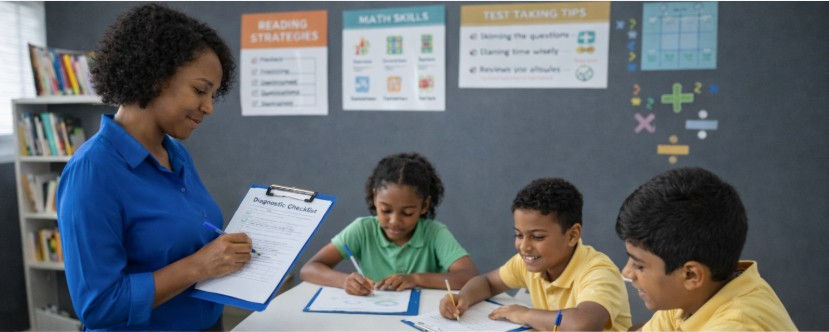
(This guide explains how homeschooling in Trinidad and Tobago works under Ministry policy and how to safely transition your child into a structured academic pathway.)
Many parents in Trinidad and Tobago reach a breaking point. Whether it’s relentless bullying, a toxic school culture, or a child who is simply "falling through the cracks" of the SEA system, the realization hits: The current environment is doing more harm than good.
When a child starts coming home defeated, or showing signs of school-induced anxiety, parents begin to ask:
"Can I legally remove my child from school in Trinidad?"
"How do I homeschool without them falling behind?"
"What about SEA exams?"
The short answer is: Yes, you can. But the transition must be handled with care to protect your child’s legal standing and their emotional recovery. You have options.
Table of Contents
The Legal Reality of Homeschooling in T&T
Step-by-Step: How to Withdraw Your Child
The "Diagnostic" Bridge: Why You Shouldn't Skip It
Managing SEA as a Private Candidate
1. The Legal Reality: Is it Allowed?
Yes. Trinidad and Tobago recognizes the right of parents to choose alternative education. While the Education Act focuses on compulsory schooling, the Ministry of Education allows for Private Candidates to sit national exams.
Choosing to homeschool means you are assuming the role of the "Administrator." You are responsible for the curriculum, instruction, and exam registration. It is not "illegal" to withdraw your child, provided you are ensuring they receive an education.
2. Step-by-Step: The Safe Withdrawal Process
Step 1: Formal Notification
Don't just stop sending them. Write a formal letter to the Principal. State your child’s name, class, and the effective date of withdrawal. Mention that they will be continuing their education via a private homeschooling program. This protects you from "truancy" concerns.
Step 2: Secure Your Records
Before you leave, request copies of:
Recent report cards.
Standardized test results.
Any special education assessments on file. You are entitled to these records; they are the "medical history" of your child's education.
Step 3: The "Decompression" Period
Often, children coming from abusive or high-stress environments need a week or two to "deschool." This is the time to lower the cortisol levels before jumping into a new academic routine.
3. The "Diagnostic" Bridge: Don't Guess, Assess
The biggest mistake parents make is buying a curriculum and "hoping for the best." If your child was struggling in school, they likely have Learning Gaps.
A professional diagnostic assessment identifies:
Reading/Comprehension Gaps: Are they reading at their age level?
Foundational Math Cracks: Did they miss a concept in Standard 2 that is now haunting them in Standard 4?
Confidence Barriers: Do they shut down when they see a word problem?
At Think-Top Educational Institute, we believe you can't fix what you haven't measured. Our transition process starts with a full diagnostic to ensure your child never feels "lost" again.
4. What Happens to SEA Exams?
Homeschooling does not mean giving up on the future.
SEA: Students register as "Private Candidates." You must keep an eye on the Ministry of Education’s deadlines (usually late in the year) to register your child to sit the exam at a designated center.
5. Homeschooling is Not "Doing School at Home"
Many parents try to recreate the 8:00 AM – 2:30 PM rigid schedule at the kitchen table. This usually fails. True, effective homeschooling is Mastery-Based. It means if your child understands a concept in 10 minutes, you move on. If it takes 3 days, you stay there. This individual pacing is what heals the trauma of "falling behind."
FAQ- Frequently Asked Questions About Homeschooling in Trinidad
Is homeschooling legal in Trinidad and Tobago?Yes. The Ministry of Education allows parents to educate their children privately and register them as private candidates for national exams.
Can homeschooled students sit SEA in Trinidad?Yes. Homeschool students may register as private candidates during the Ministry’s official SEA registration period.
Do I need Ministry approval to homeschool in Trinidad?Parents must notify and follow Ministry procedures. This guide explains how to do that safely.
Ready for a Safe Reset?
If you are ready to remove your child from a toxic environment, don't do it alone. You need a partner who understands the Trinidadian curriculum and the emotional needs of a struggling learner.
Think-Top Educational Institute provides the structure, the safety, and the expertise to turn "school dread" into "learning clarity."
Your Next Steps:
Download our Withdrawal Letter Template https://docs.google.com/document/d/1Q2JWlyXqZTsB5b3Hq-d2ZpYuq0jFn2E1xXg_nXUjpPA/edit?usp=sharing
Book a Diagnostic Assessment: Stop the guesswork and see exactly where your child stands.
Consult with Us: Let's build a custom roadmap for your child's SEA success.


Comments